
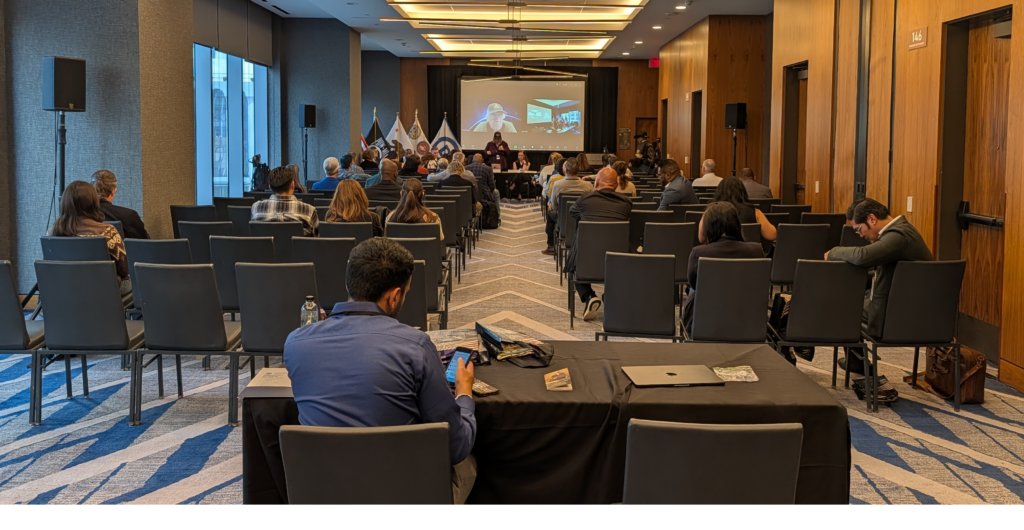
The Veterans and Military Families Council gathered in Los Angeles on December 13 for a wide-ranging meeting that underscored both the progress made and the work ahead to strengthen representation, advocacy, and organizing for veterans, service members, and military families nationwide. The meeting opened with ceremonial observances and concluded with recognition of outstanding service—reflecting the council’s commitment to honoring the past while building capacity for the future.
Commitment to Representation and Engagement
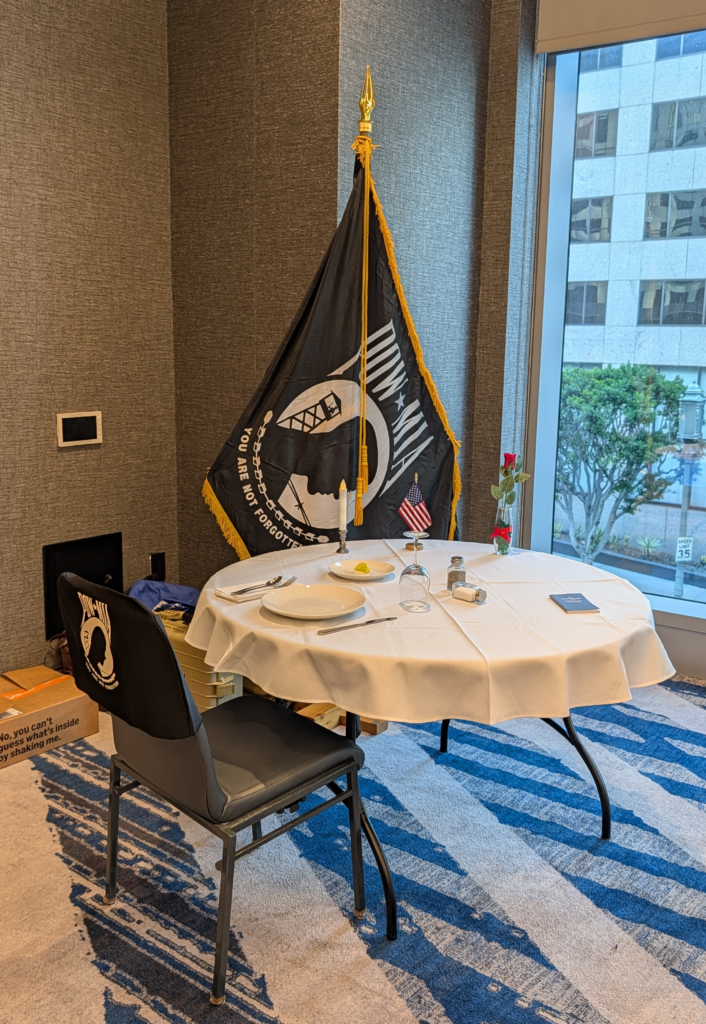
Co-Chair Basil Kimbrew welcomed attendees and invited Midwest Regional Coordinator Joe Stutler to lead a moment of silence in honor of fallen service members, followed by a land acknowledgment and the Pledge of Allegiance.
Co-Chair Rachel Vindman addressed the council candidly, acknowledging that progress has been slower than hoped. She committed to a more consistent cadence of executive board meetings, state director meetings, and general sessions featuring speakers and programming. Emphasizing accountability and responsiveness, Vindman reaffirmed the council’s mission to represent veterans and military families—particularly by supporting veterans running for office and ensuring military families are actively engaged with Democratic candidates.
Veterans’ Advocacy and Organizing Initiatives
Discussion throughout the meeting focused on elevating veterans’ voices within the Democratic Party and expanding organizing efforts. Participants emphasized the importance of listening to veterans’ lived experiences, mobilizing their leadership, and responding forcefully to attacks on service members and military families.
Key initiatives discussed included innovative fundraising ideas—such as video game streaming events to engage younger audiences—planning a future veterans convening in New Orleans, and drafting resolutions to defend trans service members and honor Code Talkers. Improving access to healthcare for veterans remained a central priority, alongside the need to increase representation from underrepresented states and strengthen data collection to support more effective advocacy.
Strategic Update from the DNC Veterans Council
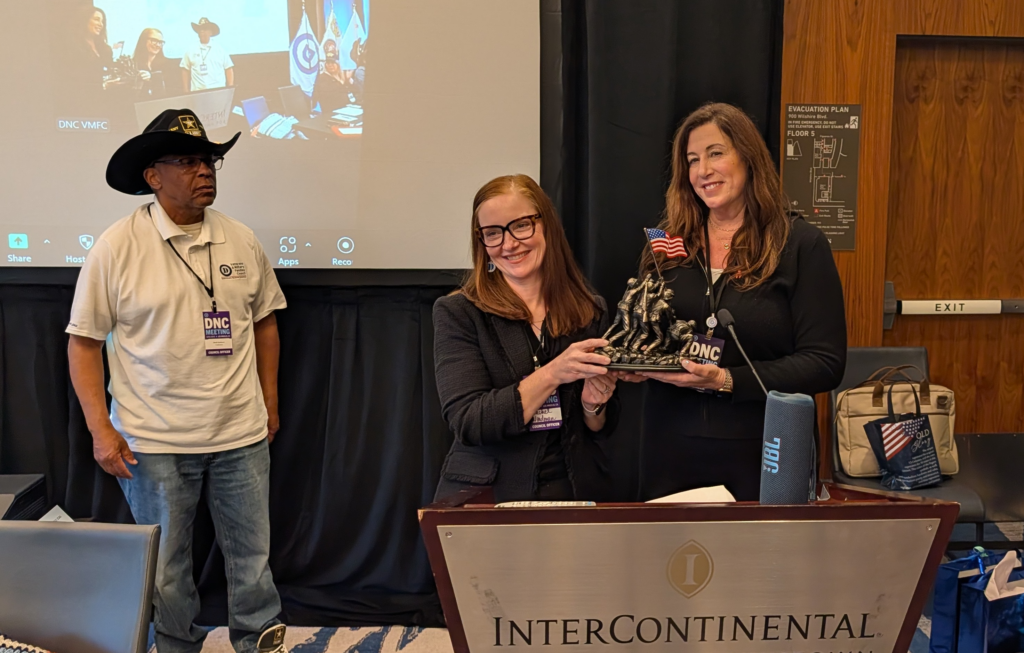
VMFC founder Christine Pelosi offered historical context on the VMFC, which was founded in 2004 to address gaps in attention to veterans’ and military families’ issues. She noted the council’s contributions to major milestones, including the 2006 Senate victory and passage of the GI Bill, and thanked longtime supporters for their leadership and partnership.
Steve Wilson, Vice Chair for Communications and Social Media, shared insights from his telecommunications background, underscoring the importance of disciplined, values-driven messaging to achieve Democratic electoral goals. He highlighted efforts to compete across multiple congressional districts and rebuild state legislative strength, particularly in the Midwest, and proposed monthly executive council meetings to review progress and set objectives.
Expanding Democratic Voter Relationships
Ken Martin, Chair of the Democratic National Committee, expressed gratitude for the council’s work and encouraged members to continue their advocacy with urgency and compassion.
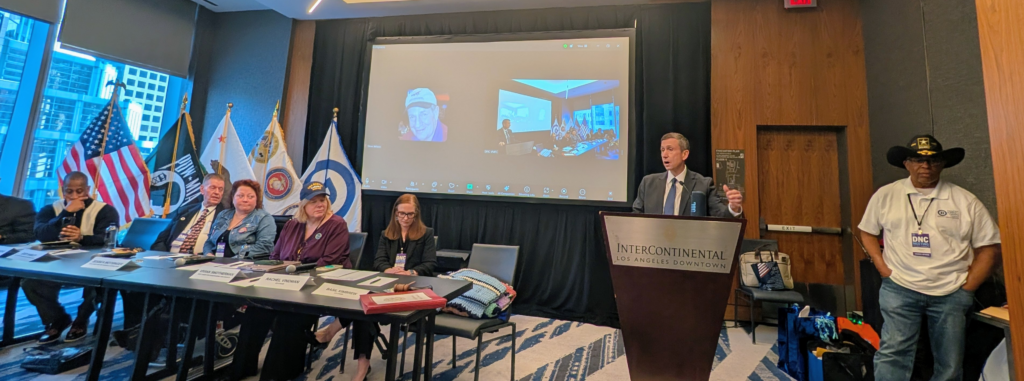
Chair Martin emphasized a strategic shift from transactional to relational politics, urging Democrats to build lasting relationships—especially in rural and veteran communities—by starting with conversations about people’s hopes, challenges, and lived realities. He reminded attendees that the ultimate goal of Democratic politics is not simply to win elections, but to improve lives through transformative public policy, and called for empathetic leadership that reflects the communities it serves.
Addressing Predatory Practices: The VA Claim Shark Bill

California Assemblywoman Pilar Schiavo, Chair of the Military and Veteran Affairs Committee, briefed the council on SB 694, legislation designed to combat so-called “VA claim sharks.” These companies exploit veterans by charging exorbitant fees for benefits assistance—practices prohibited under federal law but inadvertently left unpenalized after a 2006 change.
Assemblywoman Schiavo explained that the bill would align California law with federal regulations and empower the Attorney General to take action against predatory actors. While the measure passed the Assembly, it stalled in the Senate; negotiations are ongoing for its reintroduction in January. She asked for the council’s continued support, noting that similar protections have been enacted in other states.
Recognition and Celebration in California
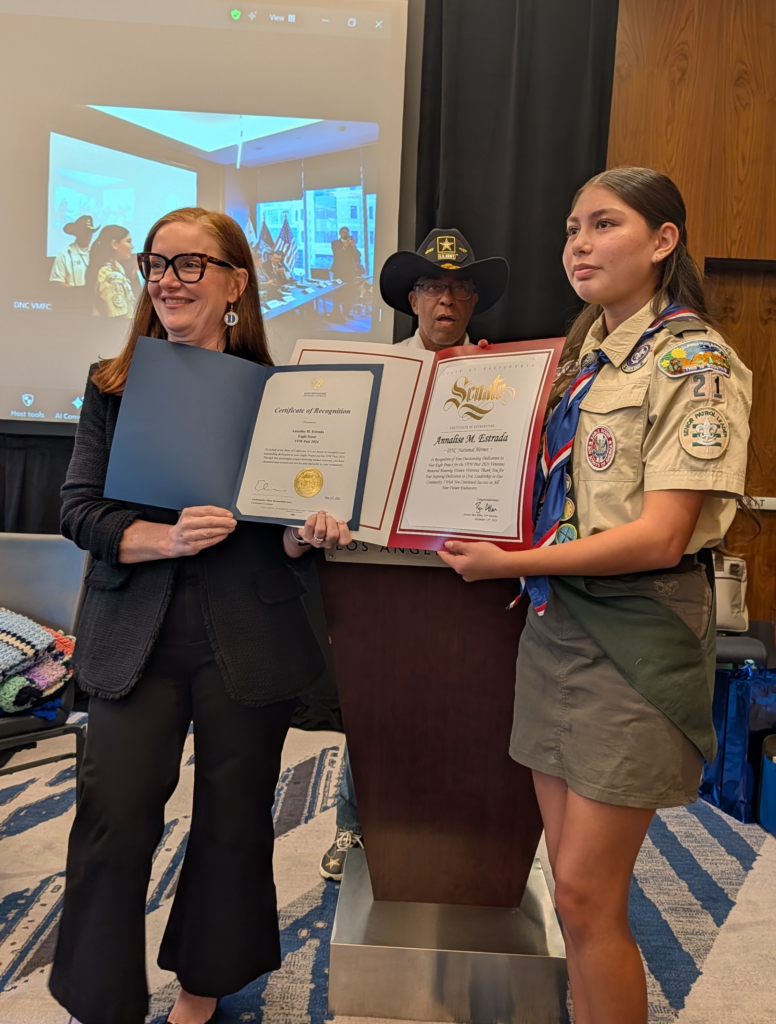
The meeting also highlighted the importance of training and resources for organizers, delegates, and party leaders, with remarks from Helena, Organizing and Training Director for the California Democratic Party.
Several individuals were recognized for exceptional service. Annalisa Strada, a 13-year-old Eagle Scout, was honored for leading and self-funding a Women’s Veterans Memorial project, raising more than $10,000. Dr. Felicia Banks and California women leaders recognized Rachel Vostello, a veteran whose resilience through significant personal challenges inspired the presentation of a symbolic blanket of support. Fred was also acknowledged for his work raising awareness around Proposition 50, earning commendation from the governor.
VMFC Chapter Expansion and Development
Looking ahead, the VMFC reaffirmed its commitment to rebuilding and expanding state chapters—particularly across the Midwest—and to developing a national color guard with new uniforms featuring a modified “Big D” logo. Joe Stutler outlined plans to expand the council’s website, dncvmfc.org, and launch a regular newsletter to better showcase activities and opportunities for engagement.

State leaders shared success stories, including Delaware’s effective chapter organizing and partnerships with neighboring states such as Pennsylvania and New Jersey. Collectively, these efforts reflect the council’s belief that veterans and military families are not only a vital constituency, but also powerful organizers and leaders within the Democratic coalition.
The December 13 meeting reinforced the Veterans and Military Families Council’s mission: to honor service, advocate boldly, and build a more inclusive, responsive Democratic Party that meets veterans and military families where they are—and works relentlessly to improve their lives.